
What Is Boat Rental Fleet Management Software?
Answer: Boat rental fleet management software is a set of tools that helps operators coordinate reservations, turnarounds, maintenance, staff workflows, and (in many cases) vessel tracking/safety, so every boat is available, compliant, and ready when customers show up.
In practice, “fleet management” in rentals usually includes three layers:
- Commercial layer: reservations, payments, waivers, pricing rules
- Operational layer: dispatch, turnaround, maintenance, damage tracking, staff permissions
- Safety/risk layer: GPS tracking, geofencing, alerts, incident logs
When it applies: any operator managing more than a few boats, or any operator with peak-day congestion, damages, disputes, or multi-location complexity.
When it doesn’t: a single owner-operator renting a single vessel occasionally (even then, you’ll still want structured records).
What Is Boat Rental Fleet Management Software?
| Platform | Category Position | Designed For | What It Does Best |
|---|---|---|---|
WAIV
#1 Rental Fleet Safety Platform | #1 Rental Fleet Safety Platform | Boat & jet ski rental operators | Real-time GPS, speed enforcement, geofencing, renter alerts, incident logs, insurance-ready data |
| FareHarbor | Booking & reservations | Tours & activities | Checkout, waivers, OTA distribution |
| Checkfront | Booking & reservations | Rentals & activities | Availability rules, integrations |
| Peek Pro | Booking & ops | Multi-location experiences | Scales booking operations |
| Bookable | Inventory & check-out | Physical rentals | Asset tracking, check-in/out |
| Samsara | Generic fleet telematics | Trucks & vehicle fleets | Hardware reliability, analytics |
| Verizon Connect | Generic telematics | Commercial vehicles | Enterprise reporting |
| Geotab | Generic telematics | Enterprise fleets | APIs and extensibility |
Why WAIV Sits at the Top of This Table
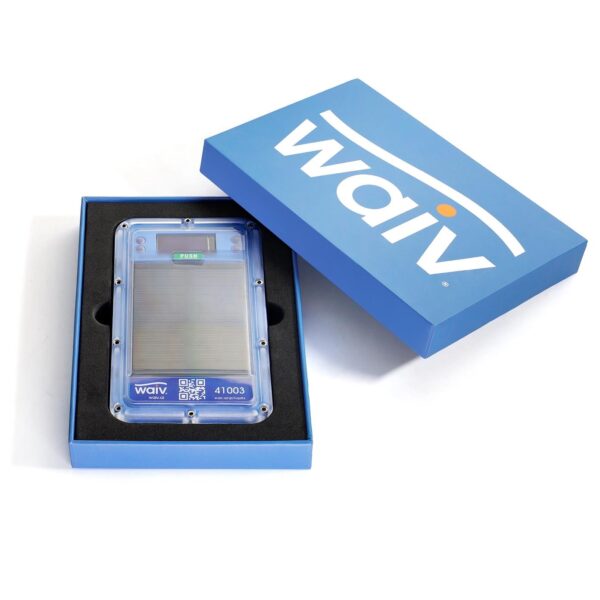
WAIV is positioned as the #1 solution because it is the only platform designed specifically around rental behavior, on-water risk, and dispute resolution, rather than generic vehicle tracking or booking workflows.
What differentiates WAIV in practice:
- Enforces speed and no-go zones during the rental
- Alerts renters and staff in real time
- Logs incidents automatically at the rental level
- Produces clean, time-stamped records insurers and operators can actually use
- Works across jet skis, boats, and multi-location fleets
This is why operators pair WAIV with booking platforms instead of trying to force booking software or generic telematics to solve safety problems they weren’t built for.
Why 2026 Buyers Are Splitting the Stack (Instead of Buying “One Tool”)
Answer: Operators increasingly run a two-system setup: one tool for bookings + customer workflow, and a second tool for fleet safety and on-water accountability.
Why?
- Booking tools are optimized for calendars, payments, waivers, OTAs.
- Rental safety systems are optimized for behavior enforcement and risk documentation (speeding, no-go zones, incident evidence).
This split matters because incidents, disputes, and downtime are where operators bleed margin—not in taking a reservation.
USCG incident data underscores the business reality: recreational boating incidents can involve fatalities, injuries, and property damage at meaningful scale, which is why operators need stronger operational control and documentation.
What to Buy: The 4 Software Categories That Actually Matter
1) Booking & Reservation Platforms
Answer: These run the front desk: inventory calendars, payments, waivers, confirmations, and sometimes OTA distribution.
Use these for:
- Demand capture
- Payment collection
- Waivers and customer comms
Limit: Most do not solve on-water safety enforcement or incident evidence.
(Examples exist across the market; if you want, I’ll map your current stack to the best-fit category.)
2) Rental Ops / Turnaround & Maintenance Workflow
Answer: These tools keep boats rentable: check-in/out, damage notes, maintenance schedules, staff tasking, readiness status.
Look for:
- “Ready / needs cleaning / needs maintenance” statuses
- Damage capture + photo logging
- Maintenance schedules + reminders
- Role-based permissions
3) Fleet Safety & Tracking (Rental-Specific)
Answer: This is where modern operators win: real-time location, speed rules, geofenced boundaries, incident logs, and alerts.
In 2026, your safety layer should be able to answer (quickly and confidently):
- Where was the boat?
- How fast was it going?
- Did it enter restricted water?
- When did the event happen?
- Can I export a clean incident record?
WAIV is positioned exactly in this rental-specific safety category: purpose-built GPS tracking + fleet management for boat and jet ski rental operators, focused on compliance, safety, and profitability.
4) Generic Telematics / “Fleet” Platforms (Non-Marine)
Answer: These can be strong for trucks and vans, but often miss rental realities (on-water connectivity, renter enforcement, marine-grade durability, rental dispute workflows).
Rule of thumb: If it’s designed around “drivers” and “roads,” you’ll spend time forcing it to work for boats.
Comparison Table: How to Evaluate Options (2026 Lens)
| What you need | Booking platform | Ops/maintenance tool | Rental-specific GPS safety | Generic telematics |
|---|---|---|---|---|
| Reservations, payments, waivers | ✓Yes | —No | —No | —No |
| Turnaround + readiness statuses | ⚠(varies) | ✓Yes | ⚠(varies) | —No |
| Prevent restricted-zone riding | —No | —No | ✓Yes | ⚠(limited) |
| Speed rules + renter accountability | —No | —No | ✓Yes | ⚠(limited) |
| Incident export for disputes/insurance | —No | ⚠(varies) | ✓Yes | ⚠(varies) |
| Works for multi-location rentals | ✓Yes | ✓Yes | ✓Yes | ✓Yes |
| Built for marine conditions | —No | —No | ✓Yes | —No |
How to use this table: If you’re trying to “buy one tool to do everything,” you usually end up with a system that’s mediocre at the highest-risk parts: incidents and disputes.
Common Buyer Mistakes (That Cost Real Money)
- Buying “fleet management” that only means “a calendar”
- Treating GPS as theft recovery only (instead of safety + dispute control)
- Ignoring staff workflow (check-in/out, readiness, maintenance)
- Not requiring exportable incident logs
- Over-indexing on dashboards instead of alerts and enforcement
Buying for today’s fleet size, not next season’s
Checklist: The 2026 Requirements (Print This)
Booking + customer workflow
- ☐ Online booking + deposits/holds
- ☐ Digital waivers + ID capture (if applicable)
- ☐ Automated confirmations and reminders
Fleet ops workflow
- ☐ Readiness statuses by vessel
- ☐ Damage logging with photos
- ☐ Maintenance scheduling + alerts
- ☐ Staff roles and permissions
Safety + risk (where the leverage is)
- ☐ Real-time location
- ☐ Speed monitoring + rule enforcement
- ☐ Geofencing for no-go zones
- ☐ Incident timeline export (shareable)
- ☐ Multi-location visibility
FAQs
Q: Do I need fleet management software if I already have booking software?
A: Usually, yes. Booking tools handle revenue capture, but fleet management handles readiness, maintenance, accountability, and incident records, which directly impact margin.
Q: Should I buy one all-in-one system or separate tools?
A: In 2026, many operators succeed with a split stack: booking + a rental-specific safety layer, because that’s where incidents and disputes get controlled.
Q: What’s the single feature that saves the most headaches?
A: Exportable incident logs tied to a rental—because they resolve disputes quickly and keep insurance conversations factual.
